The Best Handgun Ammo for Self-Defense and Target Shooting
When you finally get that new handgun to the range, the right ammunition makes all the difference between frustration and genuine confidence. Handgun ammo consists of a cartridge case, primer, powder charge, and bullet, all working together to convert chemical energy into controlled, directional force. Choosing the correct bullet weight and type for your specific firearm ensures reliable feeding, accurate impact, and manageable recoil. By matching your ammo to your intended purpose—whether target practice or personal defense—you give yourself the best chance for a smooth, successful experience every time you pull the trigger.
Choosing the Right Cartridge for Your Pistol
Choosing the right cartridge for your pistol begins with matching the round to its intended role, as handgun ammo is not interchangeable in purpose. For concealed carry, prioritize proven defensive loads like 9mm or .380 ACP with expanding bullets, ensuring reliable feeding and adequate penetration. For competition or range practice, select cheaper, lighter-recoiling options such as .22 LR or 9mm target loads to build consistency without fatigue. Always verify that your pistol’s barrel and magazine are rated for the cartridge’s pressure and length—never assume a similar round will fit. Ballistic performance matters less than shot placement, so train with the exact load you carry. If you own a compact pistol, avoid full-power magnum cartridges that generate harsh muzzle flip and slow follow-up shots. Recoil control and magazine capacity are the true deciding factors 6.5 Creedmoor Ammo for Sale for self-defense. Yet, a cartridge that works flawlessly in one brand’s firearm can jam stubbornly in another, demanding hands-on testing. Ultimately, pick the cartridge that lets you shoot accurately and quickly, not the one with the biggest marketing claims.
Popular Calibers and What Each One Does Best
When selecting handgun ammo, matching popular calibers and what each one does best ensures your pistol performs its intended role. The 9mm Luger excels as a balanced defensive round, offering manageable recoil, high magazine capacity, and reliable penetration for everyday carry. The .45 ACP delivers superior stopping power with a heavy, slow bullet, ideal for shooters prioritizing wound mass over capacity. The Rifle Ammo for Sale .380 ACP works best in compact pocket pistols, trading velocity for concealability and low recoil. Meanwhile, the .357 Magnum—often fired from revolvers—provides exceptional velocity and barrier penetration, suited for hunting or wilderness defense. Each caliber shines in its niche, so match the round to your specific use case.
- 9mm: Best all-around self-defense and practice due to affordability and control.
- .45 ACP: Maximum one-shot stop potential for home defense.
- .380 ACP: Optimal for ultralight concealed carry where size trumps power.
- .357 Magnum: Top-tier penetration for hunting or animal threats.
How to Match Bullet Weight to Your Shooting Goals
Matching bullet weight to your shooting goals begins with defining the terminal objective. For handgun ammo performance optimization, heavier bullets (147–158 grain in 9mm) deliver deeper penetration and softer recoil impulse, suiting defensive or suppressed use. Lighter bullets (115–124 grain) produce flatter trajectories and higher velocities, ideal for competitive shooting or training where accuracy at speed matters. Follow this sequence:
- Determine your primary distance (close-range defensive or 25-yard target work).
- Test recoil tolerance—heavier weights reduce perceived muzzle flip.
- Check barrel twist rate; standard 1:10 twists favor mid-range weights.
Weight choice often matters less than consistent shot placement under stress, yet matching it to your discipline prevents over-penetration or unreliable cycling. For hunting, select expanding bullets with sufficient mass for ethical stops, while paper targets favor lightweight, high-velocity rounds for visible impact feedback.
Full Metal Jacket vs. Hollow Point: Which to Pick?
Choosing between Full Metal Jacket (FMJ) and Hollow Point (HP) for your pistol boils down to purpose. FMJ rounds are cheap, feed flawlessly, and punch clean holes—perfect for range practice and honing your draw. However, they tend to over-penetrate, which is risky for self-defense. Hollow Points expand on impact, dumping energy into the target and drastically reducing the chance of hitting something behind it. That makes hollow points the superior choice for defensive carry, while FMJ stays your training staple. For a do-it-all compromise, some shooters carry FMJ in winter with heavy clothing, but HP remains the standard.
Q: Can I use FMJ for home defense to save money?
A: You could, but the bullet will likely pass through walls and the attacker, creating a serious liability. Hollow Points are worth the extra cost for their controlled expansion and stopping power.
Understanding How Ammunition Actually Functions
Understanding how handgun ammo functions starts with the firing pin striking the primer, which ignites a chemical compound that flashes through the flash hole into the case. This ignites the powder, creating rapidly expanding gas that builds immense pressure, forcing the bullet forward down the barrel. The entire process is a controlled, high-pressure burn, not an explosion, and the barrel’s rifling imparts spin, stabilizing the projectile in flight. A key insight for practical use:
the bullet’s velocity and energy are determined by the powder charge and barrel length, not by the force of the primer strike—which only needs to be sufficient to start the chain reaction.
This sequence—primer, powder, gas, projectile—happens in milliseconds, and understanding it helps you select the right load for recoil management, penetration, and reliable cycling of your handgun’s action.

The Anatomy of a Round: Primer, Powder, and Projectile
A handgun cartridge functions as a single, coordinated system built from three core components. The primer, powder, and projectile work in a precise sequence: the firing pin strikes the primer, which ignites the powder charge, generating expanding gas that propels the projectile down the barrel. Primer types include boxer (reloadable) and berdan, while powder is either a fast-burning flake for specialty sports shorter barrels or a slower extruded grain for magnum loads. The projectile’s weight and shape—jacketed hollow point, full metal jacket—determine expansion and penetration. Matching powder burn rate to barrel length is critical for complete combustion and consistent velocity. The sequence is:
- Striker impacts the primer cup, crushing the shock-sensitive compound.
- Flame from the primer passes through the flash hole to ignite the powder.
- Gas pressure drives the projectile forward while the case seals the chamber.
What Velocity and Pressure Mean for Your Shooting Experience
Velocity and pressure are the invisible hands that shape your shooting experience, directly dictating how a handgun feels and performs. Higher velocity typically translates to a flatter trajectory and more energy on target, but it also brings sharper recoil and a louder report. Pressure, meanwhile, governs the timing of that force; a fast, spiky pressure spike makes the gun snap in your hand, while a slower build feels like a smoother, more controllable push. This is why two loads with identical bullet weights can feel completely different at the range. For practical shooting, you want a balance—enough velocity for reliable expansion and accuracy at your intended distance, yet a pressure curve that lets you track your sights through the shot. Understanding this pair helps you pick ammunition that doesn’t just go bang, but matches your recoil tolerance and shooting goals without surprises.
Why Recoil Feels Different Between Loads
Recoil perception changes with a load because of the pressure curve and projectile weight, not just raw power. A fast-burning powder in a light, high-velocity round produces a sharp, snappy kick, while a slower powder behind a heavy bullet generates a longer, pushing shove. The firearm’s mass and Ammunition for Sale grip also influence how that impulse transfers to your hands, but the core difference lies in the timing of gas expansion. A 115-grain load at high pressure peaks early, hitting your palm suddenly, whereas a 147-grain subsonic load spreads the same energy over a longer barrel dwell time. Even identical muzzle energies feel distinct because your body reacts to acceleration rate, not total force.
Recoil feels different because pressure curve timing and bullet weight alter the speed and duration of the impulse you receive.
Practical Tips for Buying and Storing Your Rounds
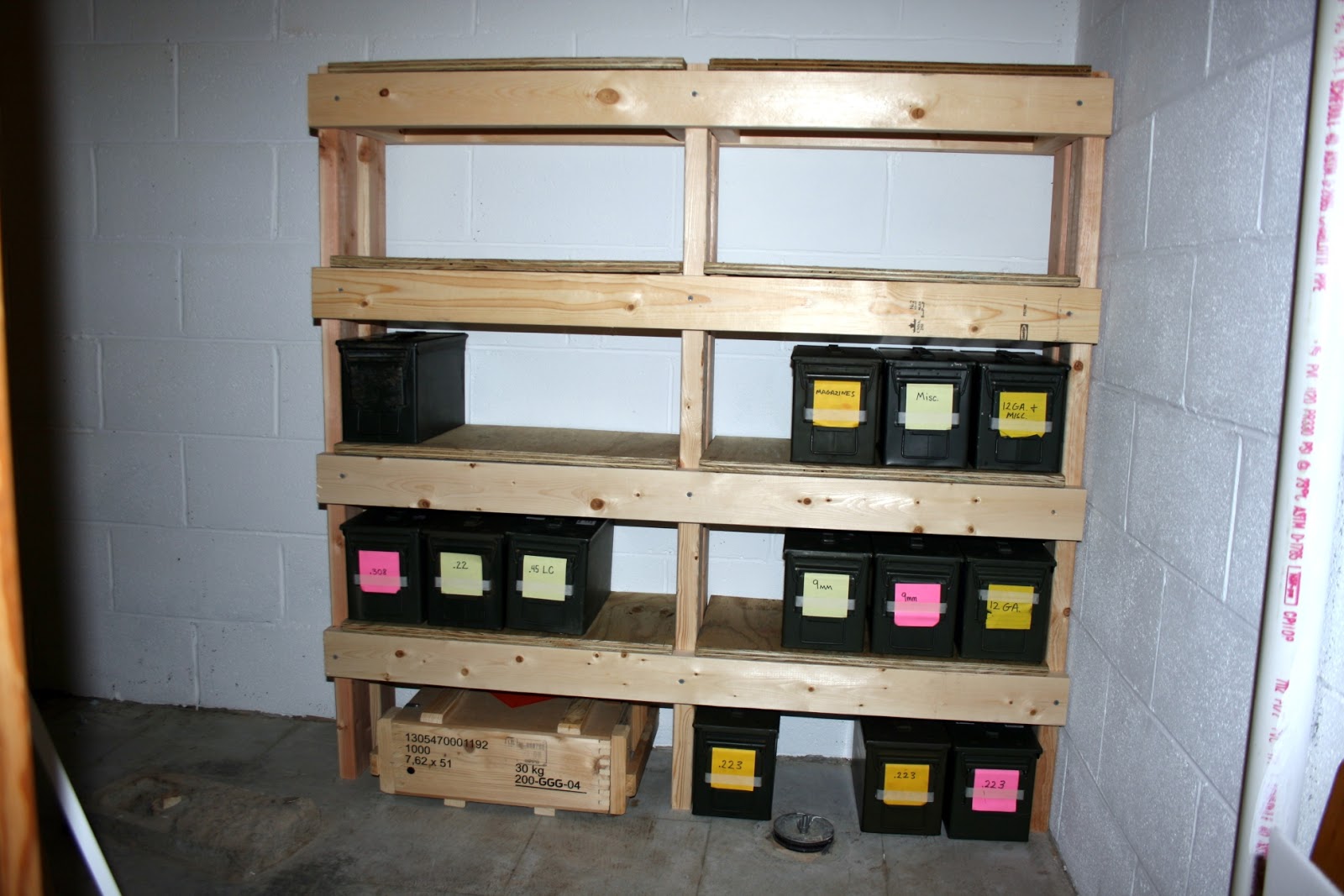
When buying handgun ammo, stick to Rimfire Ammo for Sale the exact grain weight your pistol’s sight is zeroed for, especially if you train with one load and carry another—test both for point-of-impact shifts. Buy in bulk only if you can rotate stock, because ammo stored for years in a hot car or damp garage will see primer degradation and corroded cases. Keep rounds in their original box or a sealed ammo can with a desiccant pack; avoid loose ziplock bags where primers can get dinged. Check the headstamp for lot numbers, and write the purchase date on the box—then shoot the oldest first. For carry ammo, cycle a few rounds through the mag every month to prevent bullet setback from repeated chambering.
Reading Box Labels to Avoid Buying the Wrong Load
Before purchasing, always verify the caliber designation on the box matches your firearm’s stamped barrel, as similar numbers like .380 ACP and .38 Special are not interchangeable. Check the bullet weight and type—jacketed hollow points (JHP) vs. full metal jacket (FMJ)—since these affect feeding and terminal performance. Look for the pressure marking (e.g., +P or +P+) to confirm your gun’s 6.5 PRC Ammo for Sale rating. Examine the lot number for consistency if you need repeatable accuracy. Never assume a box’s color or brand implies a specific load; read the fine print to avoid a costly misfire or a chamber obstruction.

How to Inspect Cartridges for Damage Before Use

Before loading your handgun, perform a visual inspection of each cartridge for damage. Check the bullet nose for deformation or deep seating, which can cause pressure spikes. Examine the case mouth for cracks, dents, or splits, particularly near the neck and base. Rotate the round and look for corrosion, discoloration, or green residue on the brass, especially around the primer pocket. Gently press the bullet to confirm it is seated firmly and does not move or spin easily. Run your fingertip over the primer—it should be flush or slightly recessed, never protruding. Finally, check the rim for burrs or gouges that could hinder chambering or extraction. Discard any round that fails these checks.
Best Practices for Keeping Your Supply Reliable Over Time
To keep your handgun ammo trustworthy for years, rotate your stock relentlessly. Buy in batches you’ll actually shoot within 12–18 months, then use the oldest rounds first at the range. Store boxes upright in a cool, dry place—think a closet, not a garage—and toss in silica gel packs to fight humidity. Every few months, pop open a few boxes to spot corroded primers or loose bullets. If you find any, set those aside for practice only. Also, avoid mixing ammo by lot number in the same magazine, because performance can vary slightly. A simple label with the purchase date on each box makes rotation effortless.
- Mark each box with the month and year you bought it.
- Shoot the oldest marked boxes first.
- Inspect for corrosion or damage quarterly.
- Replace any questionable rounds immediately.
Getting the Best Performance at the Range
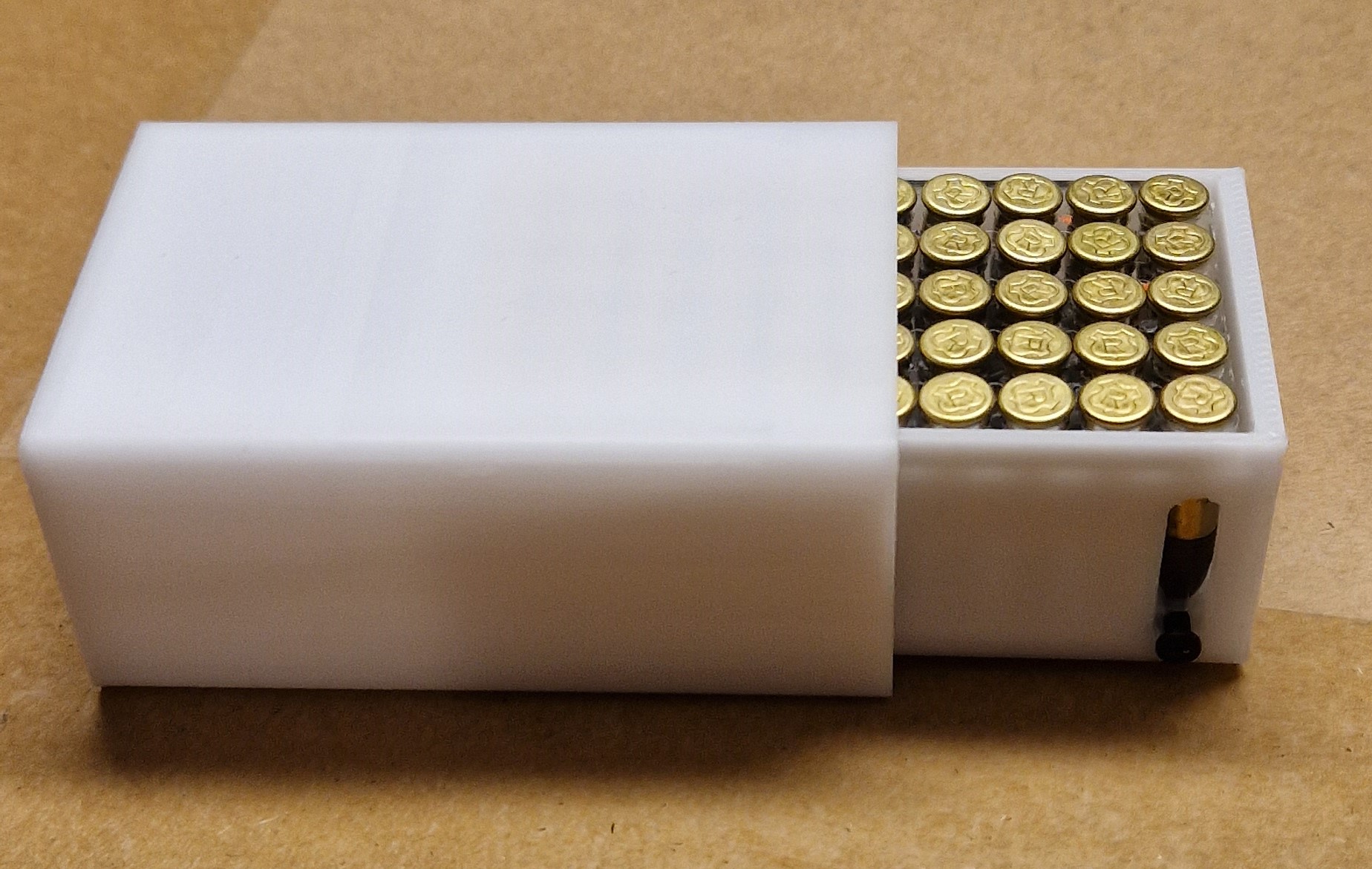
To get the best performance at the range with handgun ammo, match the cartridge to your specific firearm’s barrel twist and length, as this directly impacts velocity stability and point-of-impact consistency. Test several brands and bullet weights to find the load your pistol cycles and groups most reliably, recording results to replicate that setup. Monitor for pressure signs like flattened primers or sticky extraction, which indicate an overloaded round that degrades accuracy and safety. Clean fouling between sessions, especially after using unjacketed lead, since residue builds up and alters the bore’s friction, shifting your zero. Optimal range performance comes from consistent grip pressure and trigger control, but quality handgun ammo with uniform powder charges reduces fliers. Sight in at your intended distance, allowing for bullet drop, and shoot from a rest to isolate ammunition variances from shooter error.
How to Test Different Loads for Accuracy and Consistency
To isolate load accuracy and 7mm WSM Ammo for Sale consistency, shoot from a rested bag or vice, not offhand—your wobble masks true bullet performance. Fire five-shot groups at 25 yards, recording each group’s diameter and the velocity spread via chronograph. For consistency, extreme spread under 30 fps signals uniform powder charges; larger spreads indicate poor lot-to-lot blending. Rotate through three loads per session, but always return to your control load to confirm your barrel hasn’t heated into a different point of impact. Follow this sequence:
- Fire a fouling shot, then a control group.
- Test load A (5 shots), record group and speed.
- Test load B, then load C.
- Re-test load A—if it shifts more than 0.5 inch, your barrel or grip pressure changed.
- Repeat across three separate days to validate against temperature and light.
Don’t average groups; compare the tightest consistent cluster, and reject any load that throws a single flyer over 1.5 inches twice—that’s a stability failure.
Breaking In a New Barrel: Why Ammo Choice Matters
Breaking in a new handgun barrel requires deliberate ammo selection, as the initial rounds shape long-term accuracy and fouling patterns. Using factory-grade jacketed ammunition during the first 50–100 rounds helps embed consistent copper fouling into the micro-pores of the bore, creating a smooth, even base layer. Avoid lead 7mm-08 Ammo for Sale or unjacketed bullets early on, since they can strip unevenly and leave hard deposits that are difficult to remove from fresh rifling. Stick to a single bullet weight and profile during this period to let the barrel settle without conflicting pressure signatures. After the break-in, clean thoroughly, then switch to your preferred defensive or competition load—this preserves the established fouling equilibrium and ensures your zero remains stable.
Troubleshooting Common Feeding and Firing Issues
When a round fails to chamber, first inspect the cartridge for overall length and crimp issues, as factory new ammo rarely causes this—but a weak recoil spring or a dirty feed ramp will. If you get a hard primer strike with no bang, try a different brand, as some handguns have firing pins that are sensitive to primer cup hardness. For failure-to-eject, switch to a hotter load or clean the extractor hook and chamber. Always test your defensive ammunition in your specific firearm before relying on it, and if feeding problems persist, polish the feed ramp and check the magazine lips for burrs.
Troubleshooting feeding and firing issues boils down to checking ammo dimensions, primer sensitivity, and the gun’s spring and ramp condition—fix those, and your handgun will run reliably.
Frequently Asked Questions About Pistol Rounds
Frequently asked questions about pistol rounds center on real-world performance and compatibility. The most common concern is caliber choice, where the practical answer is that modern 9mm Luger offers an optimal balance of capacity, controllability, and terminal effect for most shooters, while .45 ACP and .380 ACP serve distinct recoil and penetration niches. Another frequent query involves bullet type; for defensive handgun ammo, jacketed hollow points expand reliably Shotgun Ammo for Sale and reduce over-penetration risk, whereas full metal jacket rounds are for training and penetration testing. Shooters also ask about pressure ratings—never fire +P ammunition in firearms not explicitly rated for it, as the extra pressure accelerates wear and can cause catastrophic failure. Finally, the question of shelf life matters: quality pistol ammo stored cool and dry can last decades, but check for corroded primers or case neck cracks before loading old stock. Velocity loss from a short barrel is often less dramatic than internet forums claim, but it still affects expansion thresholds. Always verify the cartridge headstamp matches your slide’s chamber marking before loading.
Is More Expensive Ammo Always Worth the Price?
Premium pistol ammunition often costs double or triple standard loads, but the price only matters if Handgun Ammo for Sale it solves a real problem. For defensive rounds, the premium buys reliable expansion and consistent penetration, making it worth the investment for concealed carry. For range practice, expensive ammo wastes money—affordable ball ammo builds the same trigger control and sight alignment. Matching ammo cost to your intended purpose ensures you pay for performance, not branding. Occasionally, a budget hollow point outperforms a costly one in gel tests, so check verified data rather than assuming price equals quality. Shoot a box of each through your specific firearm to confirm reliability before committing.
Expensive ammo is only worth it when defensive performance matters; for practice, cheaper rounds are equally effective.
Can You Use Reloads or Surplus Rounds Safely?
Using reloads or surplus rounds safely in your handgun demands strict scrutiny. Reloaded ammunition can be reliable if you trust the loader’s consistency, but factory-new rounds eliminate the risk of double charges or improper seating. Surplus ammo, often military-grade, may feature harder primers or corrosive primers that require immediate cleaning. Safely evaluating reloads or surplus rounds means inspecting each cartridge for case cracks, loose bullets, and primer seating before loading. Fire the first few rounds from a rested position, checking for pressure signs like flattened primers or sticky extraction. For surplus, verify the headstamp and batch date; old, unknown stock is risky. If you cannot confirm the ammunition’s provenance or condition, discard it—your pistol’s integrity and your safety outweigh any cost savings.
What’s the Real Difference Between Standard and +P Loads?
The real difference between standard and +P loads is increased chamber pressure, typically 10-15% higher than SAAMI-established norms for that cartridge. This pressure boost translates into higher muzzle velocity and flatter trajectory, which can improve expansion and penetration on target. However, the trade-off is increased felt recoil and accelerated firearm wear, especially in older or alloy-framed pistols. You should only fire +P ammunition in guns explicitly rated for it, as the manufacturer’s warranty often excludes damage from over-pressure rounds. Standard pressure loads offer milder shooting, longer parts life, and easier follow-up shots for practice or defensive use.
- +P adds velocity but raises recoil and muzzle flip.
- Standard loads are safer for vintage or lightweight handguns.
- Check the barrel and slide stamping to confirm +P compatibility.
- For self-defense, +P may aid barrier penetration, but standard loads are adequate for most civilian scenarios.